Archives
- 2026-10
- 2026-09
- 2026-08
- 2026-07
- 2026-06
- 2026-05
- 2026-04
- 2026-03
- 2026-02
- 2026-01
- 2025-12
- 2025-11
- 2025-10
- 2025-09
- 2025-03
- 2025-02
- 2025-01
- 2024-12
- 2024-11
- 2024-10
- 2024-09
- 2024-08
- 2024-07
- 2024-06
- 2024-05
- 2024-04
- 2024-03
- 2024-02
- 2024-01
- 2023-12
- 2023-11
- 2023-10
- 2023-09
- 2023-08
- 2023-07
- 2023-06
- 2023-05
- 2023-04
- 2023-03
- 2023-02
- 2023-01
- 2022-12
- 2022-11
- 2022-10
- 2022-09
- 2022-08
- 2022-07
- 2022-06
- 2022-05
- 2022-04
- 2022-03
- 2022-02
- 2022-01
-
However there are a lot of external magnetic field
2023-05-24
However, there are a lot of external magnetic field disturbances in urban environments, for example when the AHRS is close to a ferrous or magnetic object, which will disturb the output of magnetometer, then the observational errors cannot satisfy the assumption of Kalman filtering, and so, the atti
-
br Conclusion br Conflict of Interest br
2023-05-24
Conclusion Conflict of Interest Author Contributions Acknowledgements This work was supported by a research grant (SR/50/AS-14/2012) from the Department of Science and Technology, New Delhi, India to CMC and CSIR Senior Research Fellowship (09/013(0339)/2010-EMR-I) to SB. Introduction
-
br Adenosine as a mediator
2023-05-24
Adenosine as a mediator of procedures used to manage pain The issue of caffeine Caffeine, from dietary sources, is perhaps the most widely consumed behaviorally active agent in the world (Fredholm et al., 1999). Initial characterization indicated caffeine had a higher affinity at A1−, A2A− and
-
flap inhibitor br Results br Discussion Utilizing a proteomi
2023-05-24
Results Discussion Utilizing a proteomic approach, we identified HSP90β as a protein that becomes associated with surface AChR in agrin-stimulated muscle cells. We demonstrate that HSP90β does not interact with the AChR directly; instead, via direct interaction with rapsyn, HSP90β becomes asso
-
br Results and discussion br Conclusions In this report
2023-05-24
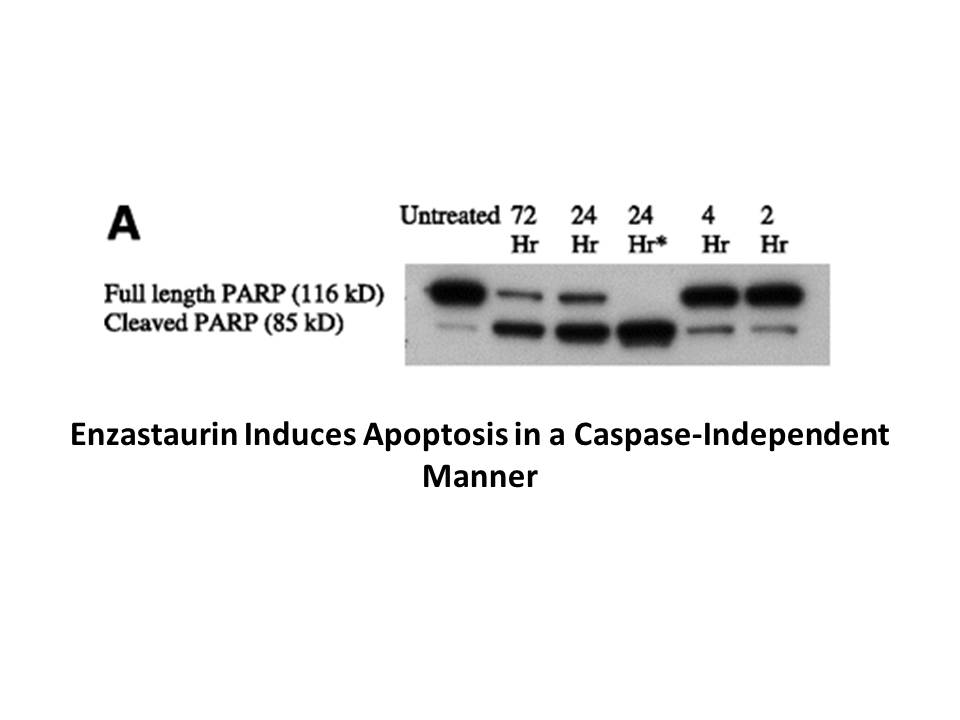
Results and discussion Conclusions In this report we present the synthesis, structure determination, and the in vitro and in vivo evaluation of a series of new quinone analogues aiming to find novel lead structures for the development of 5-LO inhibitors. Our findings support that also the hydr
-
vilazodone hcl HT receptors are distributed throughout the b
2023-05-24
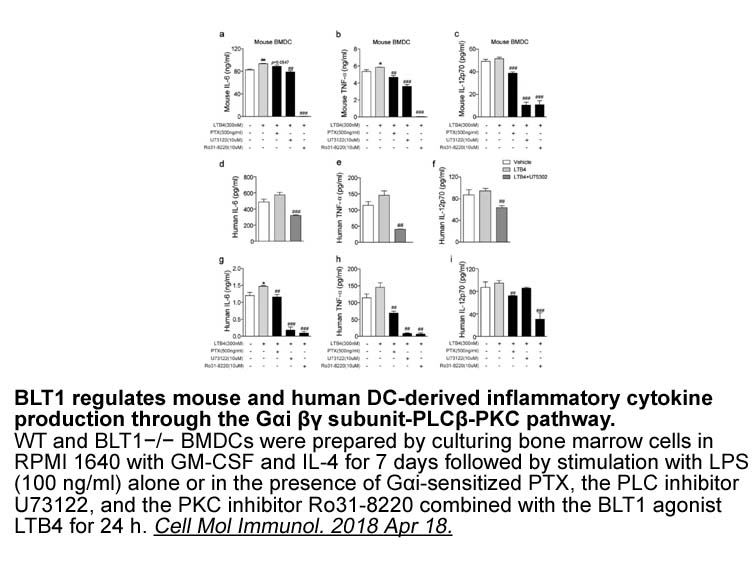
5-HT3 receptors are distributed throughout the brain, within the brainstem (e.g., nucleus tractus solitarius, area postrema and spinal trigeminal nucleus) and vilazodone hcl (e.g., hippocampus, amygdala, nucleus accumbens, putamen and caudate) (Abi-Dargham et al., 1993, Barnes et al., 1989, Bufton
-
br Exocytosis of GLUT by autophagy br Conclusion br Conflict
2023-05-24
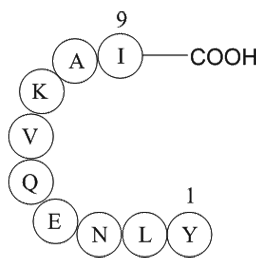
Exocytosis of GLUT4 by autophagy Conclusion Conflict of interest Ethics statement Antigen processing and presentation Adaptive immune response has to be instructed to identify and eliminate specific pathogens or foreign entities defined by their antigenic determinants. Processed antig
-
br Colorectal carcinoma The growth rate of murine colon
2023-05-24
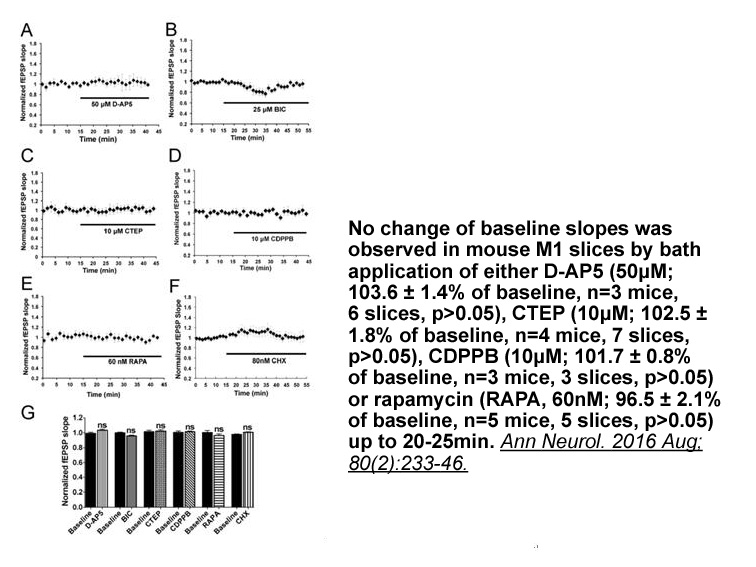
Colorectal carcinoma The growth rate of murine colon adenocarcinoma tumors decreased upon inhibition of 5-LOX, an enzyme that harbors counteracting properties to 15-LOX [28]. It is not clear whether 15-LOX was associated with this phenomenon, but its expression is induced in the colon carcinoma c
-
The downstream targets of ATR
2023-05-24
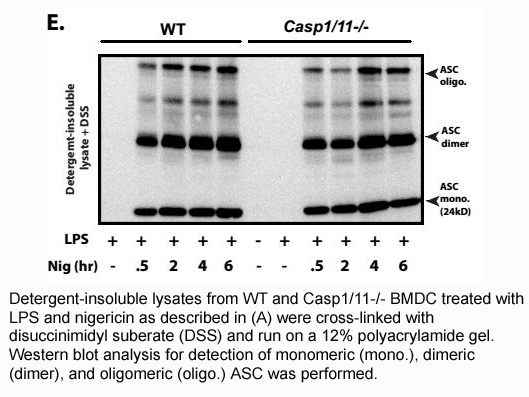
The downstream targets of ATR involved in mediating human telomerase recruitment have not yet been identified. Under stalled fork conditions, activated ATR is able to phosphorylate and activate ATM (Stiff et al., 2006, and Figures 4C and 4D); whether this silibinin of ATM participates in a positive
-
br cDNA cloning gene structure and chromosomal
2023-05-19
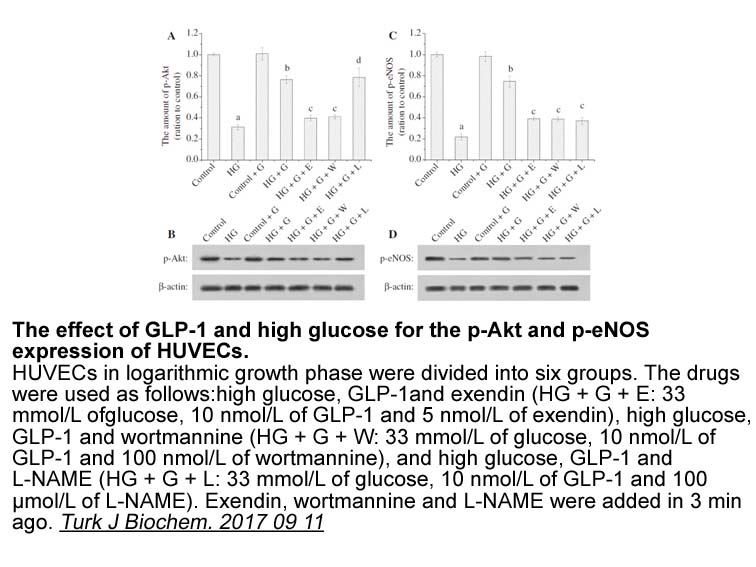
cDNA cloning, gene structure and chromosomal localization The cDNA for the leukocyte-type 12S-lipoxygenase was first cloned from porcine leukocytes [9], and later from mouse [10], [11], rat [12], [13], bovine [14] and rabbit [15] sources. The cDNA for the platelet-type 12S-lipoxygenase cDNA has b
-
In conclusion this study detected
2023-05-17

In conclusion, this study detected the expression of adiponectin and its receptors, AdipoR1 and AdipoR2, in goat ovarian follicles. In addition, adiponectin was shown to enhance the progression of goat oocyte nuclear maturation in vitro. The present findings provide evidence for paracrine/autocrine
-
br Author contributions br Acknowledgements We thank Dr Bob
2023-05-17
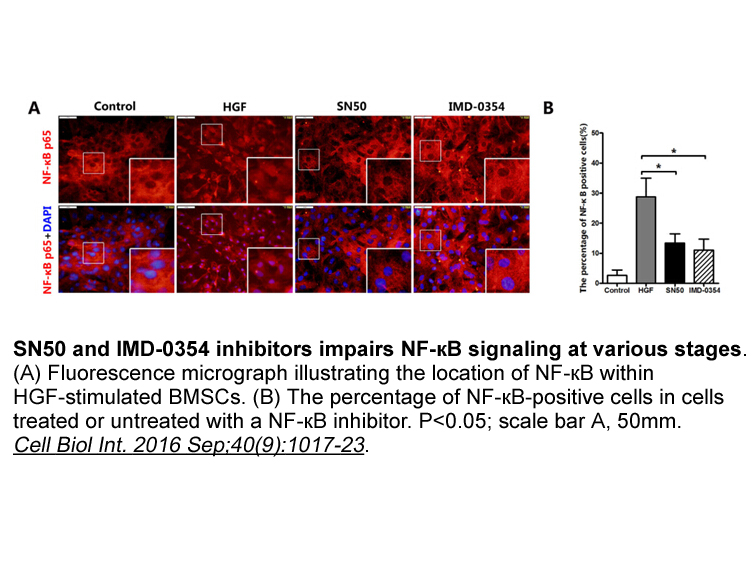
Author contributions Acknowledgements We thank Dr. Bob Hammer and the Transgenic Core Facility at UTSW for the generation of the transgenic lines, John Shelton and the Histology Core for assistance with histology and the UTSW Metabolic Core Unit for help in phenotyping. We acknowledge support
-
br Actin at presynapses br Conclusion
2023-05-17
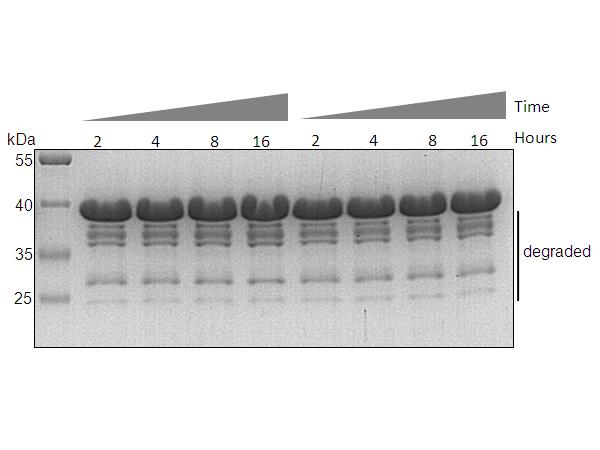
Actin at presynapses Conclusion Thanks to the recent discovery of rings, hotspots and trails, axonal RG 7204 is back in the spotlight. These are exiting times for neuronal cell biologists armed with constantly improving labeling and imaging techniques to observe, quantify and perturb these st
-
br Acknowledgement br Introduction There has been
2023-05-17
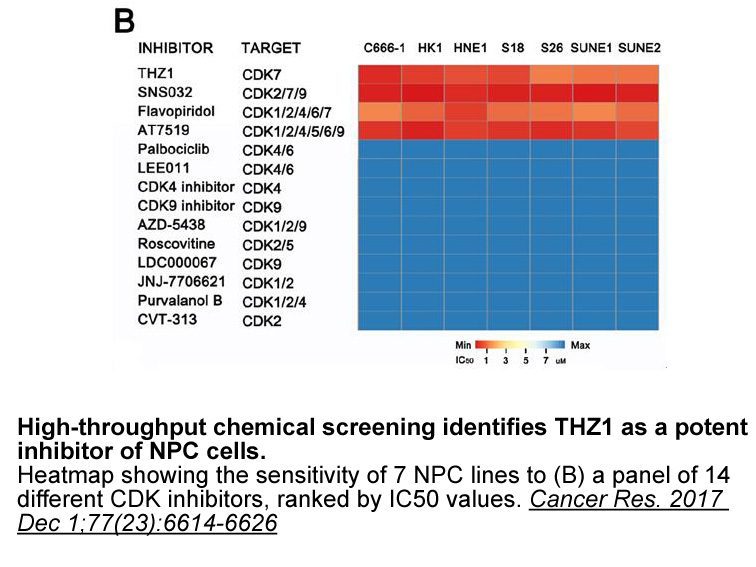
Acknowledgement Introduction There has been great progress in the treatment of autoimmune disease during the past several decades. However, the majority of autoimmune diseases have no known cure. B lymphocytes and autoantibodies play important roles in many autoimmune diseases, including rheum
-
Thus one possible target for CRPC
2023-05-17
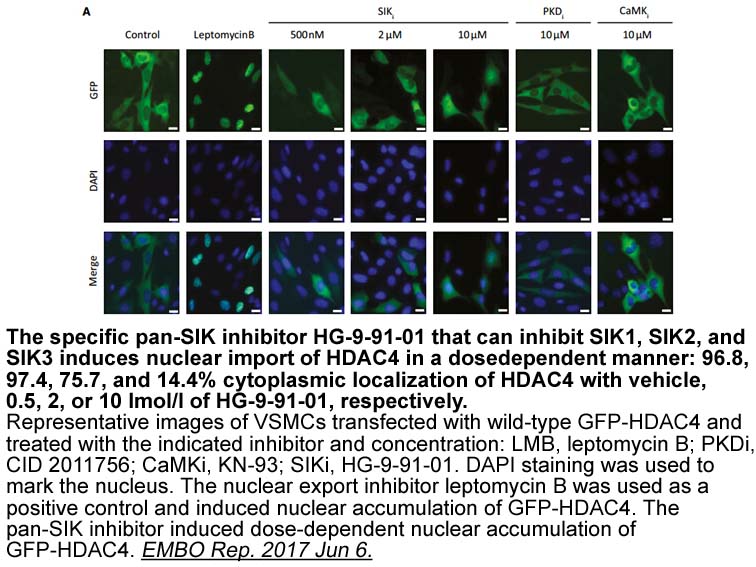
Thus one possible target for CRPC treatment is the enzyme 17,20-lyase, which plays a crucial role in androgen biosynthesis. This is because inhibition of 17,20-lyase would be expected to decrease serum androgen levels secreted not only by the testes but also by the adrenal glands.7, 8, 9 In recent
8538 records 361/570 page Previous Next First page 上5页 361362363364365 下5页 Last page