Archives
- 2026-10
- 2026-09
- 2026-08
- 2026-07
- 2026-06
- 2026-05
- 2026-04
- 2026-03
- 2026-02
- 2026-01
- 2025-12
- 2025-11
- 2025-10
- 2025-09
- 2025-03
- 2025-02
- 2025-01
- 2024-12
- 2024-11
- 2024-10
- 2024-09
- 2024-08
- 2024-07
- 2024-06
- 2024-05
- 2024-04
- 2024-03
- 2024-02
- 2024-01
- 2023-12
- 2023-11
- 2023-10
- 2023-09
- 2023-08
- 2023-07
- 2023-06
- 2023-05
- 2023-04
- 2023-03
- 2023-02
- 2023-01
- 2022-12
- 2022-11
- 2022-10
- 2022-09
- 2022-08
- 2022-07
- 2022-06
- 2022-05
- 2022-04
- 2022-03
- 2022-02
- 2022-01
-
Notably both circulating adiponectin and adipsin were equall
2024-05-22
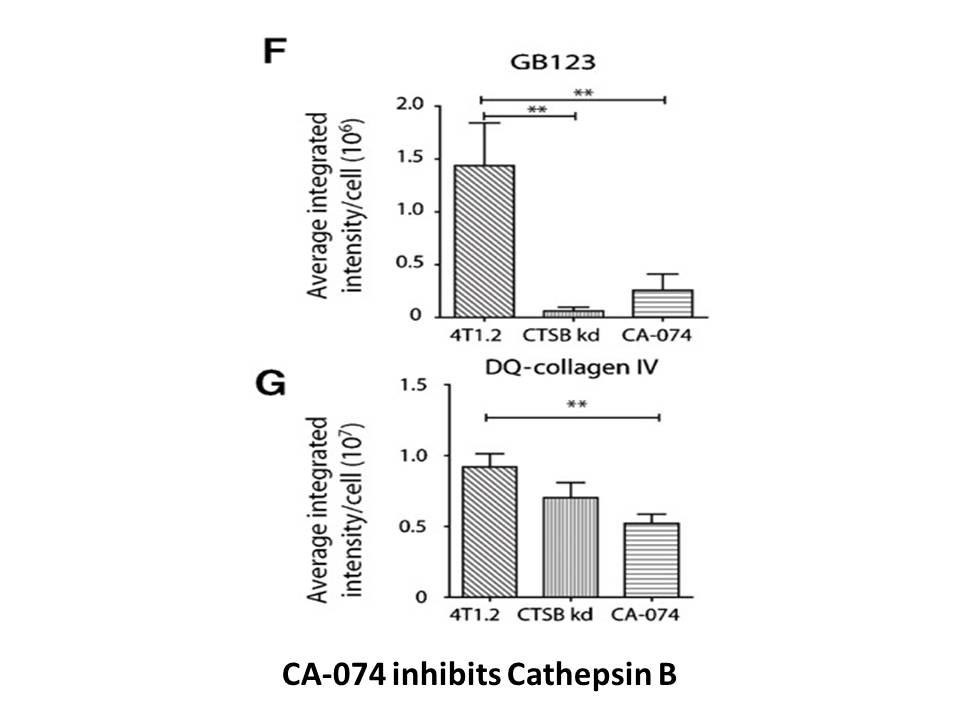
Notably, both circulating adiponectin and adipsin were equally diminished by about 50% in Arfrp1 mice consistent with several studies reporting overlapping trafficking routes for their secretion from 3T3-L1 HC 067047 sale which was strikingly inhibited upon ablation of TfR-positive endosomes [18,26,
-
Subsequently Palvimaki et al corroborated Ni and
2024-05-22
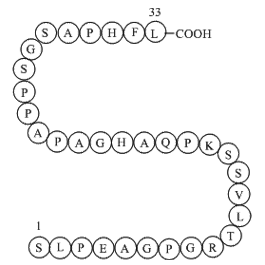
Subsequently, Palvimaki et al. (1999) corroborated Ni and Miledi's study by demonstrating that treatment with fluoxetine leads to 43% occupancy of the 5-HT2C receptors. Moreover, the affinity of fluoxetine for 5HT2C receptors (Ki 65 nM) is close to its affinity for 5-HT transporters (Ki 33 nM) (Ni a
-
LJI308 receptor The biological characteristics of cancer inv
2024-05-22
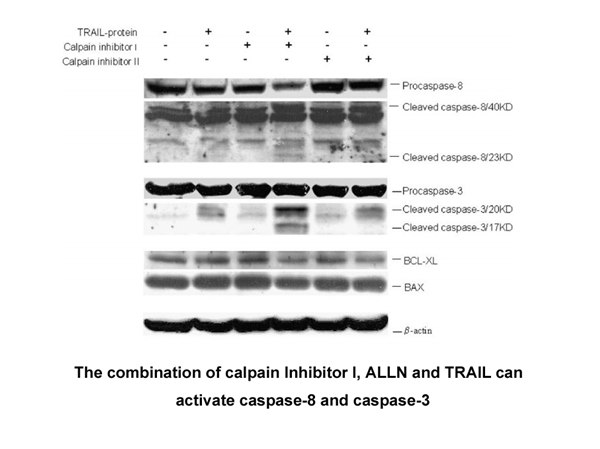
The biological characteristics of cancer invasion and metastasis are mainly attributed to the poor prognosis in cancer. It has been reported that overexpression of Ack1 promoted the migratory and invasive properties of breast cancer LJI308 receptor by sustaining expression of epidermal growth factor
-
br Experimental section br Conflicts of interest
2024-05-22
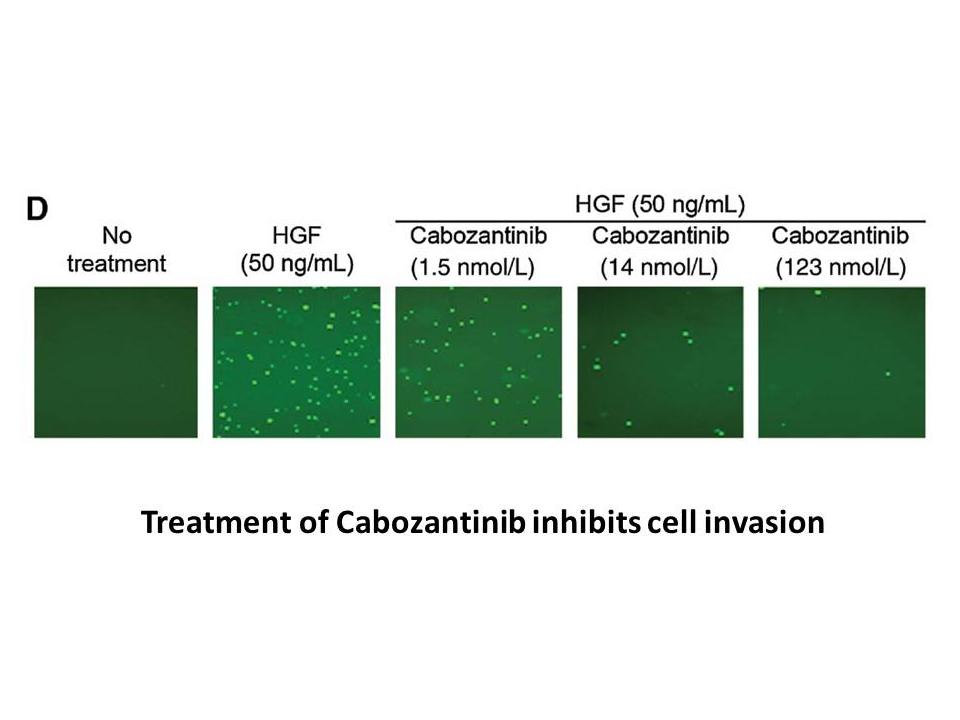
Experimental section Conflicts of interest Acknowledgments This work was partly supported by INSA-Rouen, Rouen University, CNRS, Labex SynOrg (ANR-11-LABX-0029), Région Haute-Normandie. Introduction A key component of the integrated management of key pests such as codling moth (Cydia po
-
The subdivision of HT receptors started in the s by
2024-05-21
The subdivision of 5-HT receptors started in the 1950s by Gaddum and colleagues, when they realised that in the guinea pig ileum, the effects of 5-HT could be blocked in part by morphine (M), and in part by dibenzyline (D). Gaddum and Picarelli proposed two receptor classes, 5-HT M and 5-HT D (1957)
-
br Experimental procedure br Funding The
2024-05-21

Experimental procedure Funding The present study was supported by the Grant Russian Foundation for basic research (project no. 16-04-01517). Introduction 5-HT, a monoaminergic neurotransmitter, is synthesised from l-tryptophan catalysed by the enzymes tryptophan hydroxylase (Tph) and aroma
-
On the contrary evidence also suggests
2024-05-21

On the contrary, evidence also suggests that autophagy plays a striking protective role in cancer cells. Highly burgeoning cancer (S)-(-)-Propranolol hydrochloride synthesis require cellular building blocks for their metabolism and energy production. At this stage of cancer development, autophagy a
-
br Conclusion GroEL from RA
2024-05-21
Conclusion GroEL from RA-CH-1 was expressed and purified. The recombinant RaGroEL protein exhibited ATPase activity, which cooperated with GroES in ATP hydrolysis. Furthermore, the expression pattern of groEL revealed that groEL was up-regulated during stress response. Further studies are warrant
-
br Materials and methods br Results
2024-05-21
Materials and methods Results Discussion Numerous studies showed that Na+-K+-ATPase activity and membrane (3S,5S)-Atorvastatin sodium salt were decreased in cardiac tissue subjected to IR (Belliard et al., 2013; Lee et al., 2013). In return, treatment that alleviated the progress of IR-rel
-
br ACL A Metabolic Checkpoint
2024-05-21
ACL: A Metabolic Checkpoint for Sensing Excess Nutrients? During normal transitions between fasting and feeding, cells maintain energy homeostasis by integrating energy and nutrient status signals at key metabolic nodes, coordinating multiple processes. For example, the AMP-activated protein kina
-
br Conflict of interest statement br Funding br Acknowledgme
2024-05-21
Conflict of interest statement Funding Acknowledgments We thank the team at Medical and Collider-Accelerator Departments at BNL and for their support at NSRL. We thank Dr. Janice Pluth and Professor Peter O’Neill for useful discussions related to our work. Introduction The DNA damage re
-
There are however concerns of potential side effects that sh
2024-05-21
There are however, concerns of potential side-effects that should also be taken into account. Even though some studies pointed towards a potentially greater radiosensitising effect in p53-deficient tumours, ATM inhibition radiosensitises YM 022 receptor in general, which raises the concern of normal
-
br Conclusion We have identified potential
2024-05-21
Conclusion We have identified potential inhibitors of C. albicans fungus specific nuclear target outer kinetochore Dam1 complex subunit Ask1, virtually screened through the PubChem compounds database (NCBI, USA) by utilizing state-of-art in silico methods in a pipeline. The 3D protein structure o
-
br Conflicts of interest br Financial support This
2024-05-21

Conflicts of interest Financial support This work was supported by grants from the Fondazione Cariplo [Grant number 2011-0463] (Carini); and by Funds for Original Research of the Università del Piemonte Orientale (2016, Project: Carini-Boldorini). The sponsors had no involvement in study desig
-
The elevated levels of intracellular antioxidant
2024-05-21
The elevated levels of intracellular antioxidant such as reduced glutathione (GSH) are normally oberserved is various tumor 3,3',5'-Triiodo-L-thyronine which confers the chemoresistant to chemotherapy [59]. Therefore, the induction of oxidative stress via elevation of intracellular ROS and dimuniti
8539 records 183/570 page Previous Next First page 上5页 181182183184185 下5页 Last page